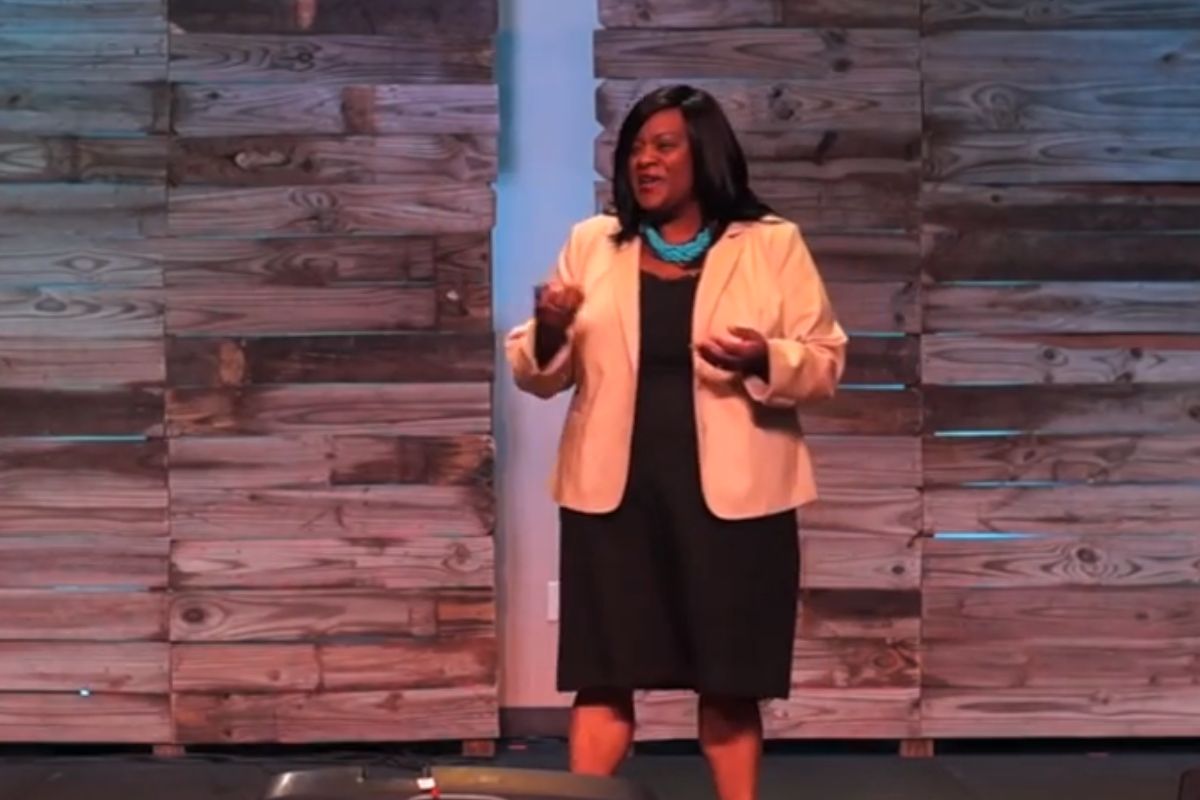
What decades of trying—and finally accepting medical support—taught me about effort, biology, and the judgment surrounding GLP-1 treatment.
By Lisa N. Alexander
My 55th birthday quietly came and went. There would be no real celebration of my “double nickels” milestone. There was carrot cake, of course—because no matter how low-key the occasion, carrot cake is a must. Still, I metaphorically held my breath for an entire year.
My paternal grandmother—the woman who loved me and protected me from the adult bullies in my family—died at 55. She was a round, obese woman who went into a diabetic coma and never came back. I mourned her deeply. The age at which she died stayed with me long after her funeral, even when I was not consciously counting toward it.
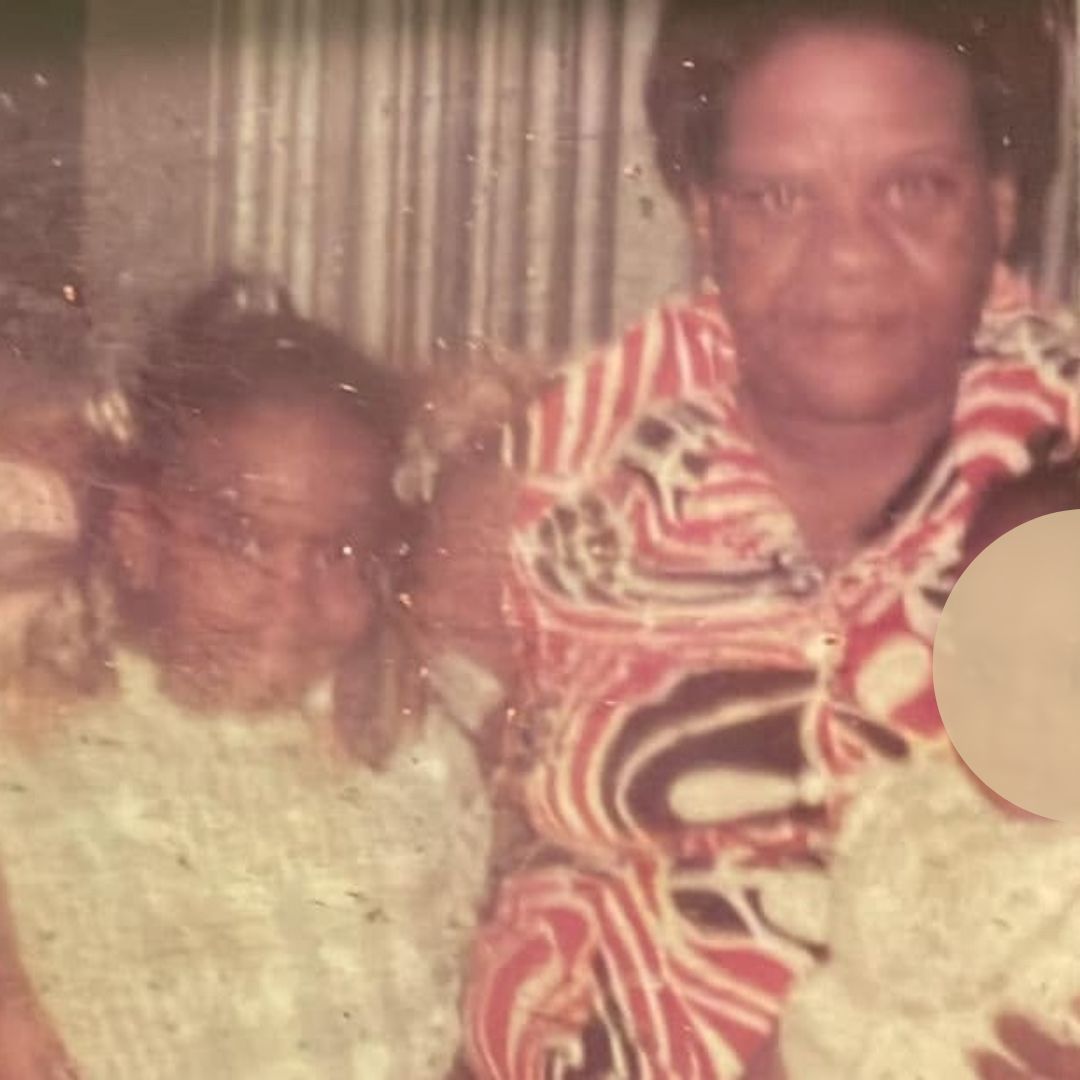
Photo credit: Courtesy of the Alexander family archive.
Then there was my mother—Bishop Gwendolyn P. Mack. She suffered 12 strokes across three separate events. She recovered from the first set and returned to work and her life. The second changed her speech and mobility. That was when I became part of her care team—one of the people responsible for helping her live inside a body that no longer worked as it once had.
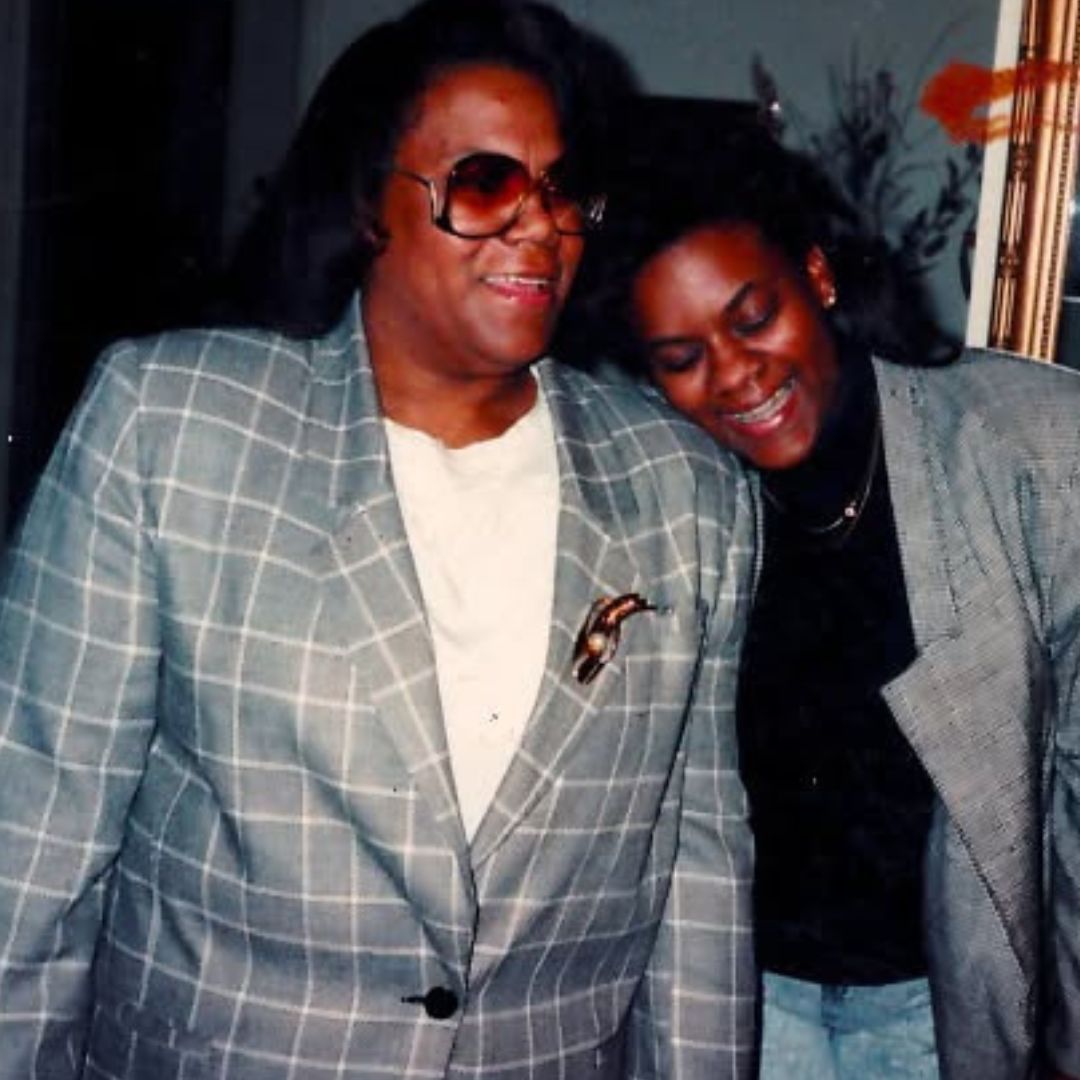
Momma wanted to get better. She wanted to drive again. She wanted to return to the business of ministry. She was not done living. Not at all.
The final set of strokes would take her away from me. I watched the woman who loved me unconditionally make peace with what she understood would be the end of her life—not because she had run out of things to live for, but because her body could no longer carry her back to them.
Caring for Momma meant watching a body fail in real time. That experience changed the way I understood my own health. Every time I had a headache, I feared my blood pressure was too high. I wondered whether I was moving toward my mother’s ending.
But I also understood her desire to stay. There were things I still wanted to do. Stories I still wanted to tell. A life I was not finished living. I was not done either.
So when people look at my weight loss and see a woman pursuing thinness, they are seeing only the exterior.
This ain’t all vanity.
I was scared of dying.
My doctors never said directly, “You are going to die like your mother and grandmother.” They didn’t have to. Their warning lived inside the instructions they repeated: Lose weight. Change your diet. Exercise.
I heard them. I spent decades trying to do exactly what they said.
Diet and Exercise Were Never Absent From My Story

Over the years, I tried nearly every version of the advice people offer so casually. I joined Weight Watchers and Noom. I ate low-carb, keto, vegetarian, vegan and raw vegan. I practiced intermittent fasting. I bought elliptical machines, stationary bikes, treadmills, a Total Gym and a full-size punching bag for my home. I paid for gym memberships. I took three-mile walks under tall pine trees and around bodies of water. I cycled for miles around Houston. For a season, I faithfully used my ketone and glucose meter to ensure I was staying in ketosis.
I even took fen-phen and am grateful I escaped the serious harm associated with those drugs. I lost weight, regained it and began again. Diet and exercise were never absent from my story. For long stretches, they were my story.
At my highest recorded weight, I was in the high 270s. The number frightened me so much that I stopped getting on the scale because I did not want to see it reach 300. I do not know how high my weight climbed after that.
By February 2016, when I underwent vertical sleeve gastrectomy at 46, I weighed approximately 240 pounds. I eventually reached 162—nearly 80 pounds below my surgery weight and more than 100 pounds below my highest recorded weight. Later, some of the weight returned. Surgery had not given me permission to stop trying, nor had I treated it that way. I kept adjusting my food, movement, portions, protein, stress and sleep. As I moved further through midlife, the conditions changed again.
The Road to 56
The year between my 55th and 56th birthdays became its own project. I called it The Road to 56 and considered documenting the journey on film. I kept notes, photographs and videos as I tried once again to lose the weight.
It was also one of the most stressful periods of my life. My blood pressure was still spiking. My hair fell out. I had not yet begun hormone therapy, and my body was keeping a very accurate tally of the things asked of her.
Still, I asked my body to shed the weight.
Through intermittent fasting and low-carbohydrate eating, I reached 173 pounds by October 2024—a number and weight range I recognized.
But when I returned to the 170s, I did not return to the body I remembered. My middle was different. I wasn’t wearing the same size clothes. My face was different.
My body in the 170s at 47 was not my body in the 170s at 55.
I had succeeded by the conventional measurement. The scale had moved. I had done what people tell women to do. Still, I looked at myself with disappointment.
It was one of the first times I understood that weight alone could not explain everything happening to me.
As the stress of that season intensified, the weight returned.
I was pursuing time.
When I Turned 56, I Finally Exhaled
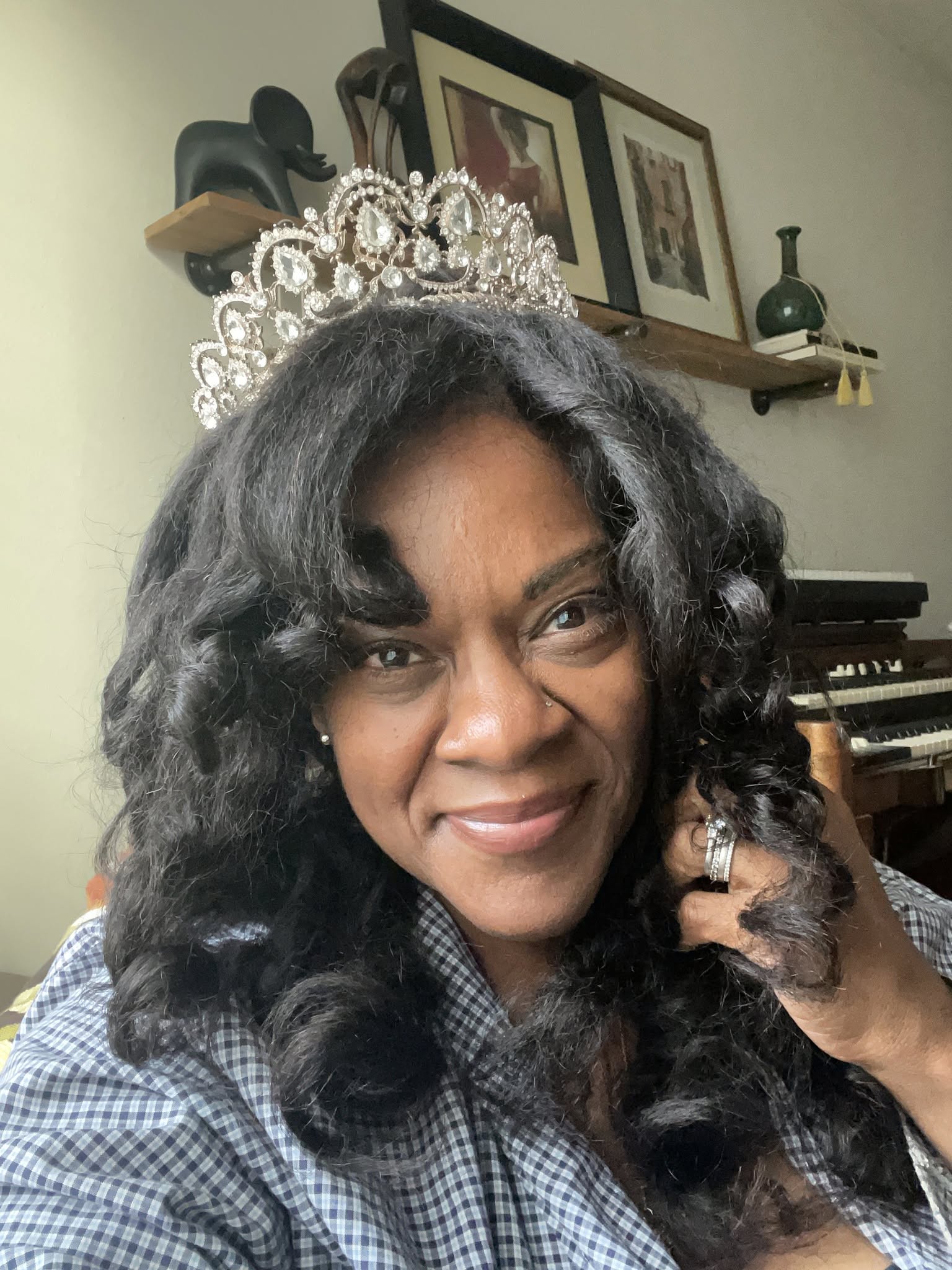
Photo credit: Courtesy of Lisa N. Alexander.
I had crossed the age my grandmother never survived. But surviving that year had not relieved me of the fear that I could still follow my mother’s path—or of the knowledge that there were things I still wanted to do with the life ahead of me.
According to the Centers for Disease Control and Prevention, African American women are diagnosed with higher rates of obesity—nearly 3 in 5—and diabetes—more than 1 in 8—than White women, conditions that increase the risk for stroke. CDC My grandmother’s diabetic coma. My mother’s 12 strokes. Those were not just family tragedies. They were part of a pattern medicine has documented for decades and addressed unevenly. I was not being dramatic about my fear. I was being accurate.
By October 2025, weeks after my 56th birthday, I was back around 205 pounds. After years of dieting, exercising, weight cycling, surgery and resisting the idea that I needed another medical intervention, I returned to GLP-1 treatment.
I Resisted Trying Again
To do that, I first had to reconsider why I had walked away from it.
Around the time I turned 50, I began taking a semaglutide compound. I was apprehensive about it because I kept hearing about the severity of the side effects, and I didn’t want to complicate my life and health further. Still, for about two months, I took the medication and experienced no ill effects, and the weight started to drop. Slowly. Very slowly, and I was disappointed.
Then, at my sister-in-law’s urging, I got the shingles vaccine. According to the drug manufacturer, side effects were the common ones: pain at the injection site, tiredness, upset stomach, headache, muscle pain. shingrix.com. Mine was different: I developed a horrible rash around my neck—tiny, raised red bumps that itched intensely. I told myself it was the compounded medicine. I had no proof. No doctor confirmed. I told myself the compound caused the reaction and I stopped taking it. I was comparing my progress to others and felt defeated. Years would pass before I considered taking it again.
Accepting medical help still felt uncomfortably close to admitting defeat. I had already undergone surgery. I had repeatedly demonstrated that I could lose weight. Still, in October 2025, I returned to compounded semaglutide and began hormone therapy. In January 2026, I transitioned to compounded tirzepatide. The FDA-approved, name-brand medications were financially out of reach, so compounded treatment was the option available to me.
Now, as I approach one year in this course of treatment, I have reached the lowest recorded weight of my adult life.
I am not declaring that I will never regain another pound. A year cannot guarantee the rest of my life. What I can say is that this experience has felt fundamentally different. For the first time, I have not felt immediately pulled back into the familiar cycle.
When the Food Noise Became Quiet
The most startling change was not seeing a smaller number on the scale. It was discovering quiet.
Before medication, food could occupy mental space even when I was not physically hungry. I could make a thoughtful decision about what to eat and still feel another signal arguing with me. Hunger, cravings and thoughts about food were not always the same thing, but they could all demand attention.
Tirzepatide did not make me forget that food exists, and it did not eliminate every moment of hunger. It changed the volume. I could be around doughnuts and simply not care. I could recognize hunger without feeling ruled by it. I could eat and then stop thinking about eating.
That quiet forced me to reconsider how much of what we call discipline may actually be an invisible biological advantage some people have always possessed.
Dr. Scharlotte Spencer, APRN-CNP, ACHPN, CNEcl, a clinician who previously treated me, said there is a medical explanation for what patients describe as food noise. GLP-1 is a naturally occurring hormone involved in appetite, fullness, blood sugar regulation and communication between the gut and brain. Medications that act on GLP-1 pathways can affect areas of the brain involved in appetite regulation.
“The medication is not taking away someone’s willpower,” Spencer said. “It is helping regulate biological signals that may have been overpowering their willpower for years.”
That is the closest clinical description I have found for what happened to me. The medicine did not shop for groceries, prioritize protein, choose my portions, move my body or protect my muscle. I did those things. The medication did not replace my effort. It changed the conditions under which I was making that effort.
The Body Can Push Back
Spencer describes obesity as a complex, chronic condition influenced by factors that can include genetics, insulin regulation, appetite hormones, stress, sleep, medications and environment.
After weight loss, she explained, hunger signals can increase while fullness signals weaken. The body may also conserve energy by reducing how many calories it burns. Researchers commonly refer to those changes as metabolic adaptation.
“That is why someone can be exercising, eating differently and doing many things ‘right,’ yet still feel extremely hungry or eventually regain weight,” Spencer said.
This does not mean choices are meaningless. It means choices do not occur outside biology. That distinction is not an excuse. It is the beginning of more accurate care.
It also changes the question. Instead of asking why a person with obesity will not simply try harder, perhaps we should ask what trying has already required of her—and what her body has been doing in response.
The Betrayal of Doing Everything Right
Weight loss was supposed to improve the numbers that frightened me. Exercise. Eat better. Lose weight. Those are the first instructions in nearly every brochure and too many medical conversations. The problem is that clinicians often lead with the instructions before asking what the patient is already doing.
I had lost weight. I was moving. I had changed how I ate. And my LDL cholesterol remained high.
I felt betrayed—not only by my body, but by the bargain I thought medicine had offered me: Do the work, and the danger will recede. What happens emotionally when you do the work and the laboratory report still reads like a warning?
Repatha, the brand name for evolocumab, became another form of medical support my body needed. Weight loss and cholesterol treatment were different tools addressing different biological processes—both necessary, neither a moral judgment about the other.
That realization helped me stop treating my body as though it were sitting for a character examination. Every pound lost was not evidence of virtue. Every regain was not evidence against me. A laboratory result was information, not a verdict on whether I had been good.
Midlife Changed More Than the Number
Hormones are not the only factor involved in weight, Spencer cautioned, but they are an important part of the conversation for women during perimenopause and menopause.
As estrogen declines, she said, women may experience changes in abdominal or visceral fat, insulin sensitivity and lean muscle. Sleep disruption, hot flashes and mood changes can also affect exercise, recovery and appetite.
Hormone therapy is not a weight-loss drug and should not be prescribed solely for that purpose. But for an appropriately selected patient with menopausal symptoms, Spencer said, addressing hormonal health may improve sleep, energy and quality of life—all of which can affect a woman’s ability to care for herself consistently.
That context did not erase the disappointment I felt when I reached 173 pounds and did not recognize the body attached to it. It helped me understand that I had not failed to reproduce my younger body. I was living in a body at a different hormonal stage, with a different history.
A Tool, Not the Entire Toolbox
The loudest criticism of GLP-1 treatment is that medication replaces the work—that people taking it have found an easy way around nutrition and exercise.
Spencer describes medication as a tool, not the entire toolbox. Nutrition remains essential for protein, micronutrients, gut health and the protection of lean muscle. Resistance training matters because losing weight is not the same as building a healthy body. Sleep, hydration and stress management matter too.
I am living that distinction now. I recently returned to the gym and began strength training. I have taken a muscle-conditioning class. I have lifted weights on my own. I am watching my body reshape itself, even when the scale barely moves.
In the summer of 2017, my goal was to reach 157 pounds by my 48th birthday. I didn’t make it. Nine years later, as I celebrate my 57th birthday, the scale reads 154.
For most of my life, movement was tangled up with trying to make my body smaller. Now movement is helping me become stronger inside the body I worked so hard to reach. This is no longer the desperate part of the journey. It is the refinement.
What Happens When the Medication Stops?
I also have to confront a reality that makes many people uncomfortable: This treatment may be long term.
In an extension of a clinical trial involving semaglutide, participants regained, on average, approximately two-thirds of their prior weight loss within a year of stopping the medication. That finding does not predict what will happen to every patient, and treatment decisions must be individualized. It does challenge the idea that a short course of medication permanently erases the biology being treated.
Spencer said some patients may need long-term or potentially lifelong treatment, while others may transition to a lower maintenance dose or another carefully monitored strategy. Decisions should account for response, side effects, health risks, preferences, cost and whether the benefits continue to outweigh the risks.
If my body continues to need support, I am no longer willing to call that failure. We do not demand that people with other chronic conditions stop effective treatment merely to prove that they can struggle without it.
Thinness Is Not the Only Thing Happening Here
I understand the suspicion surrounding the weight-loss industry. People in larger bodies have endured cruelty, discrimination and businesses that profit from convincing us our bodies are emergencies. No woman owes the world thinness. An obese woman deserves dignity, competent medical care, beautiful clothes, pleasure and a full life without first becoming smaller.
Body autonomy must also include the decision to treat obesity. It must include the woman who is not trying to satisfy an audience, but is trying to quiet relentless hunger, move with less pain, improve her health or survive a family history that has already shown her what may be waiting.
And none of this requires me to pretend appearance is irrelevant. I want to look good. I want to feel amazing in my body. I am not chasing a particular number because I do not know what that number will look like on me. I have no frame of reference. I am chasing a silhouette: a flatter back, a flatter belly.
Wanting that silhouette does not invalidate my medical reasons. Nor do my medical reasons require me to perform indifference to beauty. Women are allowed to want health and aesthetics, survival and style, freedom from stigma and freedom to change.
At What Point Do We Stop Assuming the Problem Is Effort?
I joined weight-loss programs, bought exercise equipment, paid for gym memberships and repeatedly changed how I ate. I took medication and even underwent bariatric surgery. I lost weight. I regained it. I tried again.
After restarting GLP-1 treatment, I understood for the first time what it felt like to make choices without having to shout over the biology inside me.
“The real flex is not proving that you can struggle without help,” Spencer said. “The real flex is recognizing what your body needs, using the appropriate tools and choosing to protect your future health.”
My grandmother did not get to see 56. My mother survived strokes that transformed her life. Their stories are not scare tactics in mine. They are inheritance—not necessarily genetic inheritance alone, but the knowledge that bodies have histories and that love sometimes looks like taking the warning seriously.
I wanted to live. Weight-loss surgery was part of that effort. GLP-1 treatment is part of it. Repatha is part of it. Changing what I eat and how I move is part of it. So is refusing to white-knuckle my way through a chronic struggle simply to make my care appear more virtuous.
There is no betrayal in discovering that your body needs support. The betrayal is teaching people they must exhaust every ounce of willpower before they are worthy of medical help—and then shaming them when the help works.
Today, I celebrate 57 because I am still here. I am not trying to win a morality contest. I am listening to my body, using the tools available to me and choosing life.
Disclosure: Dr. Scharlotte Spencer, APRN-CNP, ACHPN, CNEcl, provided clinical perspective for this article. She previously served as a treating clinician for the author.

Lisa N. Alexander is the author and founder of This Woman Knows and What Million-Dollar Brands Know. She is an award-winning filmmaker, director, producer, and writer and is the owner of PrettyWork Creative.